Moving into Listed Buildings in St James's: Practical Fixes
Posted on 18/06/2026
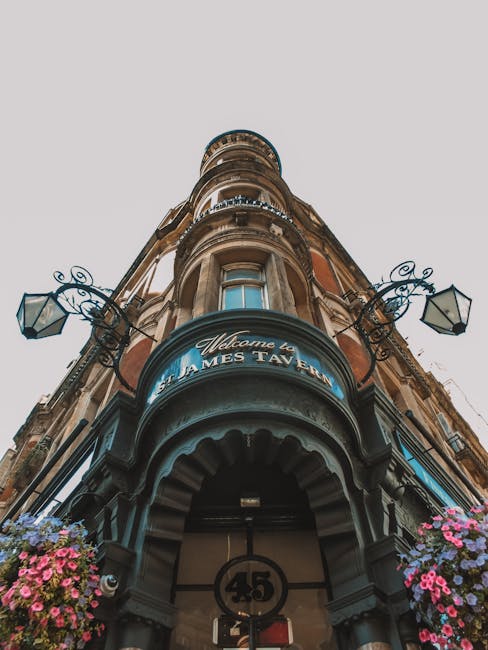
Moving into a listed building in St James's can feel a bit like stepping into a very elegant puzzle. The building may be beautiful, the hallway may have original stonework or delicate plaster details, and yet the actual move can become awkward very quickly. Tight staircases, awkward lift rules, fragile finishes, and building management requirements all need handling with care. That is exactly where Moving into Listed Buildings in St James's: Practical Fixes becomes useful: not as theory, but as a calm, practical way to get your belongings in without damaging the property or your sanity. If you are dealing with access constraints, protected features, or a move that needs a little more planning than usual, this guide walks you through the sensible fixes that make the whole process smoother.
It is one of those situations where a few small decisions make a very big difference. Use the right packing method, protect surfaces properly, check access in advance, and you avoid the kind of moving-day wobble that can turn expensive fast. And yes, there is a way to do it without feeling like you are wrestling the staircase at 7am.
Why Moving into Listed Buildings in St James's: Practical Fixes Matters
Listed buildings are not just older buildings with nicer front doors. They often come with features that deserve proper handling: narrow landings, original bannisters, heavy doors, delicate floors, uneven thresholds, and sometimes strict building rules. In St James's, where period architecture and high-value interiors are part of the landscape, that matters even more.
The main risk is simple: what works in a modern block can fail badly in a protected property. A large wardrobe can catch on a turn. A mattress can scrape a painted wall. A careless trolley can chip a stone step. None of that is dramatic in the moment, but the repair bill is never cheerful.
There is also the human side. Residents, porters, managing agents, neighbours, and timed access windows all shape how the move happens. In our experience, the moves that go best are the ones where someone took 30 minutes to think about the building before the van arrived. It sounds almost too obvious, but it saves a lot of last-minute panic.
For local readers, the St James's context matters because access is often tighter than people expect. Loading restrictions, shared entrances, and building etiquette can all change the rhythm of the day. If you are also planning around parking, it can help to read these access and parking tips for St James's moves alongside this guide.
How Moving into Listed Buildings in St James's: Practical Fixes Works
The idea is to reduce risk before anything heavy crosses the threshold. Practical fixes are not one big solution; they are a sequence of small protections and decisions.
First, you assess the route. That means entrance width, stair turns, ceiling height, lift dimensions, floor coverings, and any parts of the building that cannot be touched or altered. Then you match the route to the items being moved. A sofa may need to be tilted; a bed frame may need partial disassembly; a piano may need specialist handling. If the route and the item do not match, the fix is usually to change the method, not to push harder. Honestly, forcing it is how things go wrong.
Second, you protect the building. Good movers use felt, cardboard, corner guards, floor runners, and door protection where appropriate. That protection is temporary, but it can prevent long-term damage to wood, plaster, and stone. The goal is to leave the property looking untouched, or as close to untouched as possible.
Third, you control the load. That includes proper wrapping, sensible box weights, and making sure awkward items are ready to go before moving day. If you want a deeper look at the packing side, these packing tactics for a worry-free move are a helpful companion read.
Finally, you coordinate everyone involved. That might be a building manager, concierge, neighbours, or the moving crew. When everyone knows the sequence, the move feels less like a scramble and more like a process. Not glamorous, sure, but very effective.
Key Benefits and Practical Advantages
The biggest benefit is obvious: less damage. But there are a few other gains that are easy to overlook.
- Safer handling of valuable interiors: listed buildings often have finishes that are expensive or difficult to replace.
- Lower stress on moving day: a clear route and a protected entrance reduce pressure.
- Fewer delays: when access is planned properly, you spend less time negotiating small problems at the front door.
- Better neighbour relations: quieter, cleaner, faster moves tend to go down better in shared buildings.
- More confident unpacking: if items arrive intact and the building is protected, the rest of the day feels a lot easier.
There is also a practical financial angle. Damage to original features can be costly to repair, and sometimes awkward to authorise. Avoiding the damage in the first place is usually the smarter move. If you are budgeting carefully, it may also be worth reviewing the hidden costs of moving in St James's before you commit to the day.
And let's face it, moving into a heritage property should feel special, not like a battle with a bannister.
Who This Is For and When It Makes Sense
This approach is for anyone moving into a listed flat, townhouse, converted period property, or managed residence in St James's where preservation and access both matter. It is especially useful if you are handling:
- large furniture with narrow access
- fragile decor or original features
- shared entrances or concierge-managed buildings
- limited loading windows
- items that need dismantling before entry
- moves with expensive flooring, stairs, or wall finishes
If you are a student, a single mover, a family, or relocating a home office into a character property, the same principles apply. The only real difference is scale. A small move can still cause damage if the route is awkward. A large move simply multiplies the risk.
It also makes sense if you are deciding whether to use a standard van service or something more tailored. For local move planning, the services overview is a useful place to understand what kinds of support are available, while furniture removals in St James's may be relevant if your move includes heavy or awkward pieces.
Step-by-Step Guidance
1. Start with the building, not the boxes
Before packing, inspect the route. Measure door widths, stair turns, lift capacity, and any awkward corners. If you cannot measure everything yourself, at least take photos and notes. A five-minute look now can save a long argument later over whether the wardrobe will fit. Usually, the answer is yes, but only after some disassembly.
2. Ask about building requirements early
Many listed buildings and managed properties have rules about move times, lift padding, floor protection, and booking slots. Do not leave this until the night before. A small piece of admin done early can prevent a lot of chaos. If the move involves a flat in the area, flat removals in St James's may be the right match for a route that needs careful navigation.
3. Decide what should be dismantled
Beds, wardrobes, tables, and some shelving units are often easier to move in parts. Keep fixings in labelled bags and tape them to the correct item. It sounds basic, but it works. If you need a reminder on larger bedroom items, this guide to transporting beds and mattresses is handy.
4. Protect the route before the first item moves
Lay down floor protection on original floors, cover sharp corners, and shield doors or walls where contact is likely. In older buildings, the route often matters more than the furniture itself. One small scrape on painted wood can become the only thing anyone notices after the move.
5. Sort heavy items separately
Do not bury the heavy stuff under a mountain of mixed boxes. Keep the weight balanced and set aside items that need two people, a trolley, or specialist handling. If you are tempted to do everything yourself, take a breath and read practical tips for moving heavy objects first. It may save your back as well as the banister.
6. Pack with the building in mind
Choose smaller boxes for books, records, and kitchen items. Use stronger wrapping for anything delicate, and avoid overfilling. For a peaceful move, organised packing matters more than fancy labels or colour coding. If you are trying to make the day feel calmer overall, this stress-free moving guide offers a good mindset reset.
7. Handle specialist items carefully
Pianos, antiques, and awkward artwork should be assessed separately. In a listed building, the problem is not just weight; it is the combination of weight, shape, and fragile surroundings. If you own a piano, do not improvise. This look at the risks of DIY piano moving is worth reading before you decide anything.
8. Check the building after the move
Once the furniture is in, do a slow walk-through. Look at thresholds, corners, floors, and walls. If anything has shifted, note it immediately rather than leaving it until the end of the week. A calm, careful check is better than a tense memory game later on.
Expert Tips for Better Results
Here is the bit people often skip: the best practical fixes are usually boring. Not dramatic. Not clever. Just solid.
- Use the smallest viable box size. Heavy boxes are harder to turn and easier to drop on stairs.
- Pre-pack the difficult items first. If something will take effort, deal with it before the moving day clock starts ticking.
- Label by room and priority. "Kitchen - first open" beats vague labels every time.
- Keep one path clear. A cluttered corridor turns a simple carry into a nuisance.
- Use soft protection near finishes. Blankets, wraps, and pads are your friends around original timber and plaster.
Small side note: do not underestimate how many moves go wrong because someone forgot the kettle, the box cutter, or the tape. It is never the glamorous stuff. It is the tiny missing item at the worst moment.
If you are sorting possessions before moving into a more delicate property, the advice in how to declutter for an effortless moving day can help you reduce load before the first lift of the day.
And if anything needs temporary holding before the move, such as oversize furniture or items you do not want in the building immediately, storage in St James's can be part of the plan. That is often the neatest fix when timing and access do not line up perfectly.
Common Mistakes to Avoid
- Skipping measurements. Guessing is not a strategy, even if you have moved three times before.
- Not checking the floor load or lift limits. Older buildings can be less forgiving than they look.
- Leaving protected surfaces uncovered. One careless turn with a trolley can cause a mark.
- Overpacking boxes. This makes items awkward to carry and more likely to split.
- Ignoring building timing rules. A delay at the front door can disrupt the whole day.
- Trying to move oversize items alone. Pride is expensive. And a bit silly, if we're honest.
Another common issue is poor sequencing. People often move the largest item first when the route still has clutter, boxes, or loose floor protection in the way. It is usually better to clear the path, move the awkward items, and then bring in the easier boxes. That order feels slower, but it is actually faster.
Tools, Resources and Recommendations
You do not need a van full of specialist gear, but a few sensible tools make the day far easier:
- moving blankets and furniture pads
- door and corner protectors
- tape, labels, and marker pens
- strong boxes in mixed sizes
- wrapping paper or protective wrap for fragile surfaces
- basic trolley or sack truck, if the building route allows it
- disassembly tools kept in one labelled kit
For packing materials, packing and boxes in St James's can support the practical side of prep. If you are comparing move types, it can also help to look at man with a van in St James's and man and van in St James's style services to see which level of support suits a heritage building move.
For time-sensitive situations, same-day removals in St James's may be relevant, though with listed buildings it is always better to plan ahead if you can. Last-minute and period-property do not always make the best pair.
Law, Compliance, Standards, or Best Practice
With listed buildings, best practice is often more important than trying to wing it. The exact legal position depends on the building and the nature of the work, but a cautious approach is sensible.
In plain English: avoid making changes to protected fabric, do not assume fixtures can be moved or removed freely, and do not ignore building management instructions. If you are unsure whether an item or access method could affect the property, ask first. That is particularly true for items like large appliances, freestanding partitions, heavy wall-mounted pieces, or anything likely to scuff original surfaces.
From a moving-industry perspective, good practice includes:
- risk assessing the access route before moving day
- using suitable lifting and carrying methods
- protecting floors, doors, and walls
- keeping shared spaces clear and tidy
- handling heavy or specialist items with proper support
If health and safety is a concern, or if there are multiple flights of stairs, review the health and safety approach and insurance and safety information before you book. It is not about being cautious for the sake of it. It is about avoiding preventable problems in a building that may be difficult or costly to repair.
Options, Methods, or Comparison Table
Different moves need different levels of support. A quick comparison helps.
| Method | Best for | Pros | Trade-offs |
|---|---|---|---|
| DIY move | Very small loads and simple access | Lower upfront cost, flexible timing | Higher physical strain, more risk to walls and floors |
| Man and van | Moderate moves with a manageable route | Efficient, practical, often good for local moves | May need you to help with prep and access planning |
| Full removals support | Larger or more delicate listed-building moves | Better handling, less pressure, more planning | Usually costs more, but can reduce mistakes |
For many listed-building moves in St James's, the middle or full-support option is the wiser choice. Not because the job is impossible otherwise, but because the building itself raises the difficulty a notch or two.
Case Study or Real-World Example
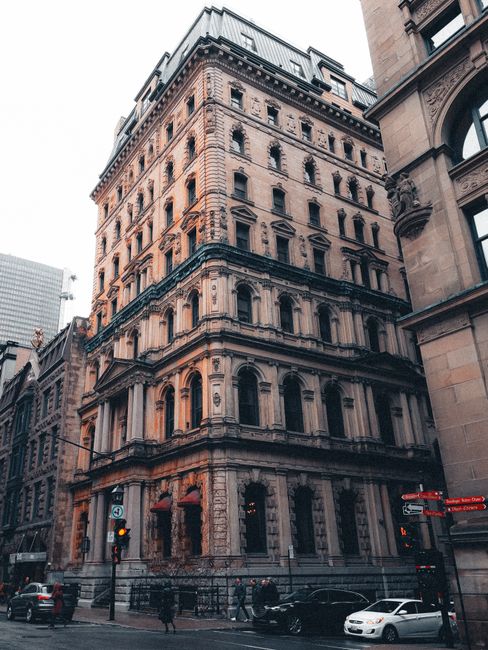
Picture a couple moving into a second-floor flat above a period entrance hall in St James's. The hallway has a narrow turn, the stair rail is original timber, and the front door opens inward with only modest clearance. They have a sofa, a bed, a dining table, and several boxes of books. Nothing wildly unusual. Still, it could become messy.
Here is the practical fix that changed the day: they dismantled the bed frame in advance, packed books into smaller boxes, wrapped the sofa corners, and booked a move window that avoided the busiest delivery period. They also laid temporary protection on the floor and asked the building manager to reserve the entrance for the loading slot. Simple stuff, really.
On the day, the sofa was angled through the turn instead of pushed straight. The table legs were removed before entry. The boxes went in last. No scraped wall, no damaged banister, no late-afternoon moaning about "how did that even happen?".
The lesson is useful: in a listed building, the smallest changes in order and preparation can have the biggest effect on the result.
Practical Checklist
Use this as a last-run check before moving day.
- Confirm building access rules and booking times
- Measure doorways, stairs, lifts, and awkward turns
- Decide what must be dismantled in advance
- Gather floor, wall, and corner protection
- Pack heavy items into smaller, safer boxes
- Label items clearly by room and priority
- Keep tools and fixings in one marked bag
- Set aside fragile or specialist items separately
- Clear the route from entrance to room
- Check the building for marks or issues after unloading
If you are still in the planning phase, this SW1A moving checklist is a neat companion to the steps above. For people relocating into very specific local streets, the Jermyn Street flats guide is also useful reading.
For bulky waste after the move, do not let it drift into a corner and become the next week's problem. Here is what to do with bulky waste after a St James's move, which is one of those unglamorous tasks that pays off quickly.
Conclusion
Listed buildings in St James's deserve a little more respect, a little more planning, and a lot less guesswork. The good news is that practical fixes are usually straightforward once you know where the pressure points are: access, protection, lifting, sequencing, and communication. Get those right and the move becomes manageable rather than chaotic.
Truth be told, most problems in these moves come from rushing. A measured plan, sensible packing, and a route that has been thought through properly will usually do more than any fancy shortcut ever could. And that is reassuring, because it means the move is not about luck. It is about method.
Get a free quote today and see how much you can save.
When the keys are finally in your hand and the last box is through the door, it helps to know the building is intact, the move is done, and you have handled a tricky job with care. That is a good feeling. A proper one.